

Introduction:

Regarding your college application, your personal statement is your chance to shine. It's your opportunity to show admissions committees who you are beyond your grades and test scores. A strong personal statement can significantly impact your application's success. In this comprehensive guide, we'll delve deep into the essential elements of a strong personal statement. Whether you're a high school senior preparing for college applications or a prospective graduate student, this guide will help you craft a compelling personal statement that sets you apart from the competition.
1. Engaging Introduction
Your personal statement's opening sets the tone for the entire essay. Admissions officers read countless essays, so grabbing their attention immediately is crucial. Start with an engaging introduction that captivates the reader's interest. Consider using one of these techniques:
Anecdote: Begin with a short, interesting story related to your theme.
Question: Pose a thought-provoking question that your essay will answer.
Quote: Start with a relevant quote that sets the stage for your narrative.
Statement: Make a bold or surprising statement to pique curiosity.
For example, imagine you're writing about your passion for environmental conservation:
"As I stood at the edge of the vast Amazon rainforest, I couldn't help but wonder: How could one person make a difference in the face of such ecological grandeur and complexity?"
2. Clear Focus and Theme
A strong personal statement should have a central theme or message that ties your experiences together. This theme helps the reader understand the purpose of your essay and provides a clear sense of direction. Your theme should reflect who you are and what you want to convey to the admissions committee. Consider your values, interests, and goals when determining your theme.
For instance, if you're passionate about technology and innovation, your theme might revolve around your journey to become a problem solver and change-maker.
3. Personal Reflection
Personal reflection is the heart of your personal statement. This is where you delve into your experiences, challenges, and personal growth. Show the reader how these experiences have influenced your character and perspective on life. Be honest and introspective, and convey your emotions and thoughts during these moments.
Share your story like this:
"Growing up in a small, economically challenged town, I witnessed the power of community resilience firsthand. My family struggled, but I learned that adversity could fuel determination and empathy."
4. Specific Examples
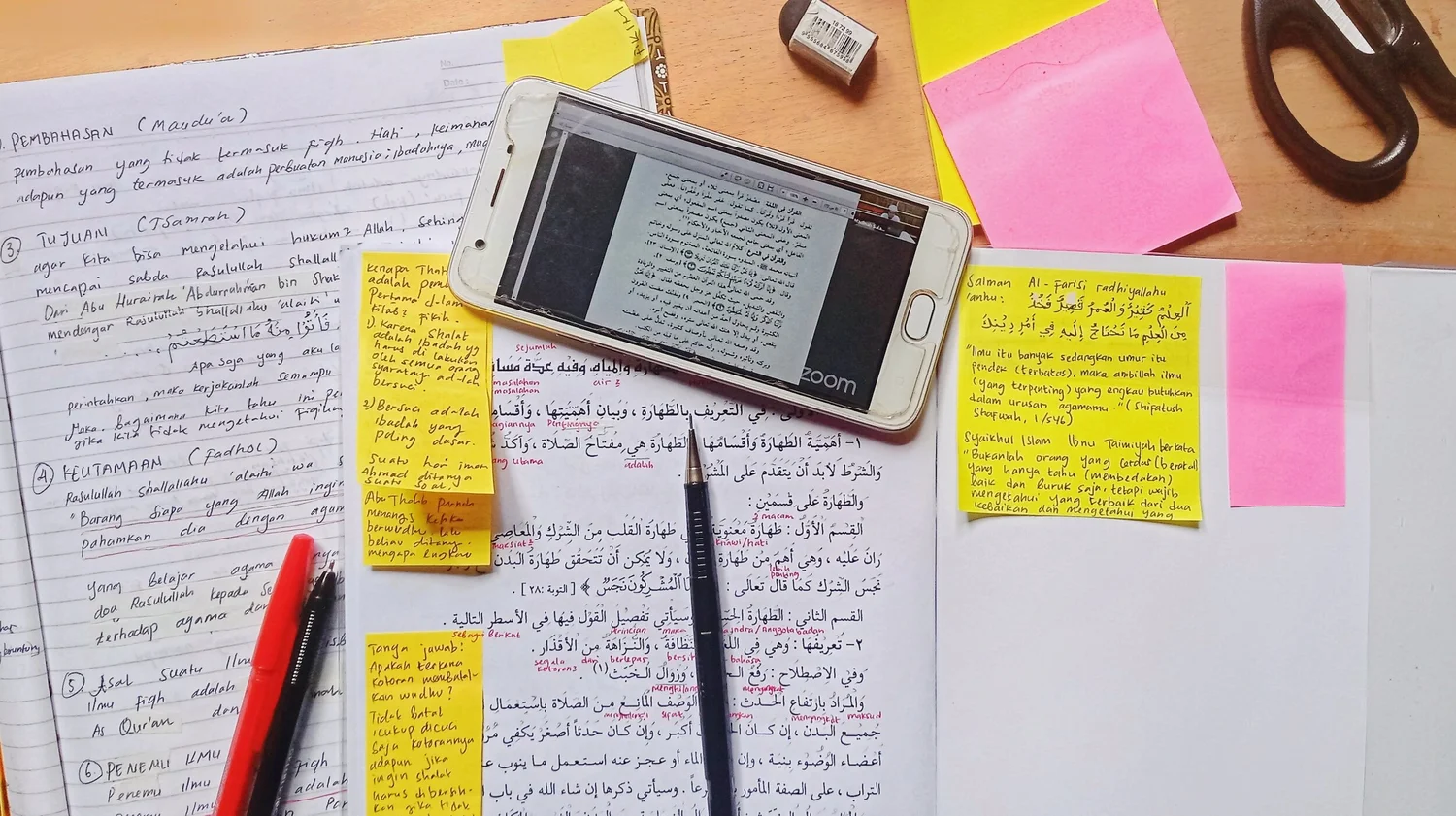
To make your personal statement compelling, use concrete examples and anecdotes to illustrate your points. Show, don't just tell. Describe specific instances or situations where you demonstrated qualities or learned valuable lessons. Paint a vivid picture for the reader by using descriptive language.
For example:
"During my volunteer work at the local animal shelter, I met Bella, a timid rescue dog with trust issues. Through countless patient hours of comforting her, gaining her trust, and eventually seeing her wagging her tail, I learned the power of patience and perseverance."
5. Demonstrate Self-awareness
Admissions officers appreciate applicants who display self-awareness. Discuss how you've evolved over time and how you've come to understand your strengths, weaknesses, and values. Show that you've thought deeply about your experiences and their impact on your personal development.
"This journey of self-discovery made me realize that I'm not just passionate about technology; I'm driven by a desire to create solutions that positively impact communities and improve lives."
6. Highlight Achievements and Impact
Don't be shy about mentioning your accomplishments and your impact on others. Whether it's excelling academically, leading a community project, or volunteering, admissions committees want to know how you've made a difference.
"As the leader of our school's environmental club, I spearheaded a tree-planting initiative that resulted in over 300 new trees in our city, improving air quality and fostering a sense of environmental stewardship."
7. Concise and Cohesive Writing
Admissions officers read hundreds of essays, so it's essential to keep your writing clear, concise, and organized. Avoid overly long sentences or paragraphs. Each paragraph should flow logically to the next, creating a cohesive narrative. Be sure to use transitions to guide the reader through your essay smoothly.
8. Honesty and Authenticity
Authenticity is key to a successful personal statement. Be genuine and sincere in your writing. Avoid exaggerations or attempting to be someone you're not. Admissions committees value applicants who are honest about their experiences and aspirations.
"My journey wasn't always smooth, and I faced setbacks along the way. But these challenges have shaped me into the resilient and determined individual I am today."
9. Future Goals and Aspirations

Your personal statement should also touch on your future goals and aspirations. Explain why you're interested in the college or program you're applying to and how it aligns with your long-term objectives. Show that you've done your research and are a good fit for the institution.
"I am excited to join the computer science program at XYZ University, where I aim to deepen my knowledge and skills in artificial intelligence and machine learning. My ultimate goal is to contribute to cutting-edge research in this field and develop innovative solutions that address real-world challenges."
10. Unique Perspective and Voice
Your personal statement is your opportunity to let your unique personality and voice shine through. Avoid clichés and generic statements. Be yourself, and let your individuality come across in your writing. This is what will make your essay memorable.
"As a self-proclaimed 'tech geek,' my friends often tease me about my obsession with coding and robotics. But they don't see the spark of excitement I feel when I unravel the mysteries of algorithms and build something from scratch."
11. Proofreading and Grammar
A well-written personal statement is free from grammatical errors, typos, and spelling mistakes. Take the time to proofread your essay carefully. Consider seeking feedback from teachers, mentors, or peers to ensure your writing is polished and error-free.
12. Word Limit Adherence
If there is a word limit for your personal statement, make sure to adhere to it. Admissions committees appreciate applicants who can express themselves effectively within constraints. Exceeding the word limit can be seen as a lack of attention to detail.
13. Relevance to the Application
Tailor your personal statement to the specific college or program you're applying to. Highlight how your background and goals align with what the institution offers. Show that you've done your homework and genuinely want to be a part of that academic community.
14. Strong Conclusion
Finally, wrap up your personal statement with a strong conclusion that summarizes your main points and reiterates your central theme. Leave a lasting impression on the reader and make them feel like they've journeyed with you through your experiences.
Conclusion
In conclusion, crafting a strong personal statement combines art and introspection. It's a chance to showcase your unique experiences, growth, and aspirations. Follow these essential elements to create a personal statement that impresses admissions committees and authentically represents who you are. Remember, your personal statement is your voice in the application process, so make it count. Good luck!
Personal Statement Project:
Instructions:
STEP 1: Click here to access your Essay Writing Template
STEP 2: Follow the points below to write your personal statement:
Engaging Introduction: Start your personal statement with an engaging introduction. Use one of the techniques mentioned in the lesson—anecdote, question, quote, or statement.
Clear Focus and Theme: Identify a central theme or message that ties your experiences together. This should be reflective of your values, interests, and goals.
Personal Reflection: Dedicate a section to personal reflection, where you delve into your experiences, challenges, and growth. Be honest and introspective.
Specific Examples: Use concrete examples to illustrate your points. These should be personal anecdotes that relate to your central theme.
Demonstrate Self-awareness: Discuss how you've evolved over time and come to understand your own strengths, weaknesses, and values.
Highlight Achievements and Impact: Mention notable achievements or impacts you've made, be it in academics, community service, or any other sphere.
Concise and Cohesive Writing: Ensure that your essay flows well, with each paragraph leading naturally to the next.
Honesty and Authenticity: Be genuine in your writing, avoiding exaggeration or misrepresentation.
Future Goals and Aspirations: Explain why you're applying to this specific college or program and how it aligns with your long-term objectives.
Unique Perspective and Voice: Let your unique personality and voice shine through in your writing. Avoid clichés and generic statements.
Proofreading and Grammar: Before submission, thoroughly proofread your personal statement for any grammatical errors, typos, or spelling mistakes.
Word Limit Adherence: Make sure your essay adheres to any word limit requirements.
Relevance to the Application: Tailor your essay to show how your background and goals align with the college or program you’re applying to.
Strong Conclusion: Conclude your personal statement by summarizing your main points and reiterating your central theme.
STEP 3: Click the link below to complete the rubric
Real-world project: Peer and Mentor Review
Once you have completed your personal statement, share it with at least two people—a peer and a mentor or teacher. Ask them for constructive feedback regarding the clarity, flow, and impact of your essay. Make necessary revisions based on the feedback received.
Submission:
Submit your draft along with your completed rubric in the section below.
Submission:
Submit your links to your draft along with your completed rubric in the sections below.
Participate in the Group Discussion:
Please answer the discussion question in the comment section below.
What was the most challenging part of writing your personal statement, and how did you overcome it? Share your strategies for tackling obstacles in the writing process and how they contributed to crafting a compelling narrative.