
Workshop Scenario
Please think of yourself in the following scenario:
You are a student or young professional who is passionate about making a difference in your community. You have a strong desire to lead and make an impact, but you're not sure where to start. You've noticed that many of the leaders in your community are not very effective, and you don't want to make the same mistakes.
In this scenario, learning about leadership can provide you with the knowledge, skills, and inspiration you need to positively impact your community. Whether you want to grow personally, advance your career, or make a difference in the world, learning about leadership can help you achieve your goals.
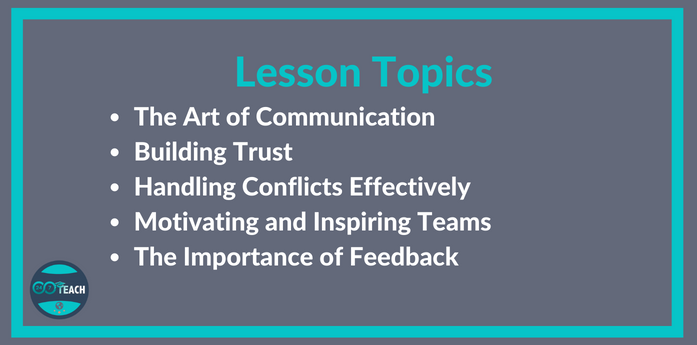
In this lesson, you will learn the art of communication, how to build trust, handle conflicts effectively, motivate and inspire teams, and the importance of feedback.
At the end of the workshop, you will submit a plan for leadership as your final project. You will work on this plan throughout the workshop, and add to it at the end of every lesson.
Now that you have a plan in mind to a) meet your goal using a specific leadership style, and b) regulate your emotions to stay self-aware and confident, the next step is to develop leadership skills such as communication, decision-making, problem-solving, and conflict resolution. How will you do all of this while building and remaining trust?
Lesson Objectives:
By the end of this lesson, you will be able to:
Define and analyze the key aspects of effective communication in leadership.
Evaluate the strategies for building trust and handling conflicts effectively in leadership.
Develop skills in motivating and inspiring teams as a leader by setting clear goals, empowering team members, and recognizing their achievements.
Before we dive into the topic, let’s start by asking ourselves a few questions:
What do you think is the most important aspect of building relationships as a leader?
How do you think leaders can effectively handle conflicts in their team or organization?
How do you think feedback plays a role in building relationships as a leader?
Take a moment to reflect on these questions and jot down your answers. As we go through the lesson, you will have the opportunity to reflect on and further develop your own thoughts and understanding of leadership.
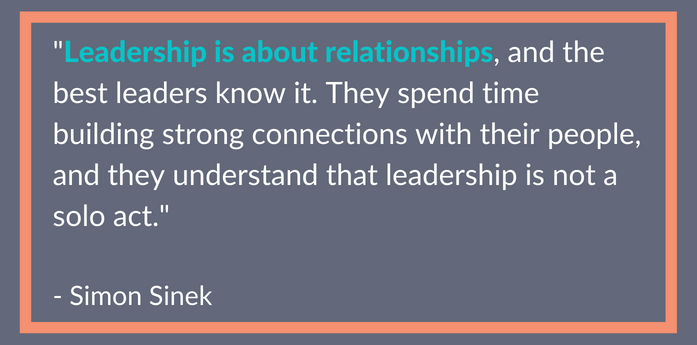
Leadership is all about relationships. As a leader, you have the responsibility of managing, guiding, and inspiring a group of people toward a common goal. To be successful in this role, you must have strong interpersonal skills and a deep understanding of the art of communication. In this lesson, we'll explore five key aspects of leadership that will help you build strong relationships with your team and become a more effective leader.
The Art of Communication:
Effective communication is one of the most important skills a leader can have. It's not just about what you say, but how you say it and how you listen to others. Good leaders understand the importance of clear and concise language, active listening, and the power of non-verbal cues such as body language and tone of voice. Here are some tips for improving your communication skills:
Be clear and concise: Make sure your message is easy to understand by avoiding complex language and getting straight to the point.
Listen actively: Show that you're interested in what others have to say by making eye contact, nodding, and asking follow-up questions.
Use non-verbal cues: Your body language and tone of voice can communicate just as much as the words you use. Make sure they align with the message you're trying to convey.
Give and receive feedback: Communication is a two-way street. Make sure to give and receive feedback regularly to improve your communication skills and build stronger relationships with your team.
Building Trust:
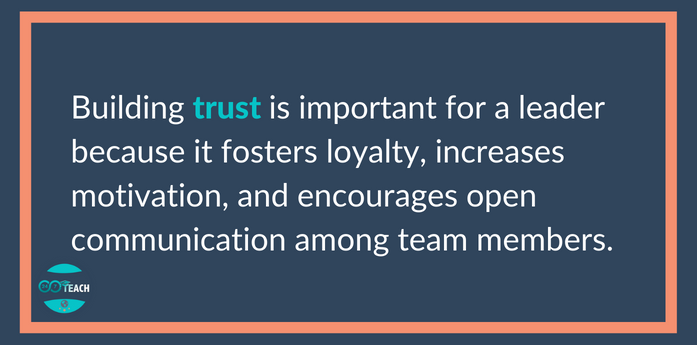
Trust is the foundation of any strong relationship, and it's especially important in the workplace. As a leader, you need to earn the trust of your team members by being reliable, transparent, and honest. Here are some ways to build trust with your team:
Be reliable: Follow through on commitments and promises, and make sure your actions align with your words.
Be transparent: Share information openly and honestly, and avoid hiding information or being secretive.
Lead by example: Your team members will take cues from your actions, so make sure you lead by example and demonstrate the values you expect from others. A Leader constantly removes Doubt and replaces it with Conviction.
Encourage open communication: Encourage your team members to share their thoughts, opinions, and concerns. This will help build trust and improve relationships.
Consider the following scenario:
You need to discuss a private issue with your teacher or team leader. You ask to speak with them privately. What kind of behaviors from your teacher or team leader would you respect most?
Handling Conflicts Effectively:
Conflict is inevitable in any group, but it can also be an opportunity for growth and improvement. As a leader, it's your job to handle conflicts effectively and find solutions that are beneficial for everyone involved. Here are some tips for resolving conflicts:
Listen to both sides: Make sure to listen to all perspectives and understand the root cause of the conflict.
Find common ground: Look for solutions that meet the needs of both parties and focus on finding common ground.
Be open and honest: Encourage open and honest communication, and avoid blaming or attacking others.
Seek help when needed: If the conflict is beyond your ability to resolve, don't hesitate to seek help from a neutral third party.
Motivating and Inspiring Teams:
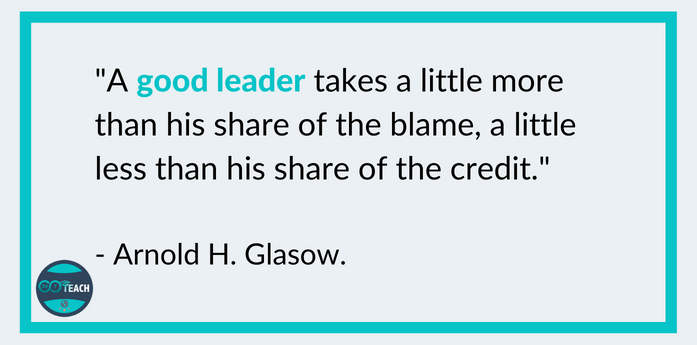
Leadership is about more than just giving orders and delegating tasks. It's also about motivating and inspiring your team members to perform at their best. Here are some ways to motivate and inspire your team:
Set clear goals and expectations: Make sure your team knows what's expected of them and what success looks like.
Empower your team: Give your team members the autonomy and resources they need to succeed.
Recognize and reward achievements: Show appreciation for your team
The Importance of Feedback
Feedback is crucial for effective leadership as it provides leaders with valuable insights into their performance, enabling them to improve their skills and abilities. As a leader, it can be challenging to gain a clear understanding of your strengths and weaknesses without feedback from those around you. Feedback from team members, peers, and mentors can help you to identify areas for improvement and adjust your approach to better meet the needs of your team.
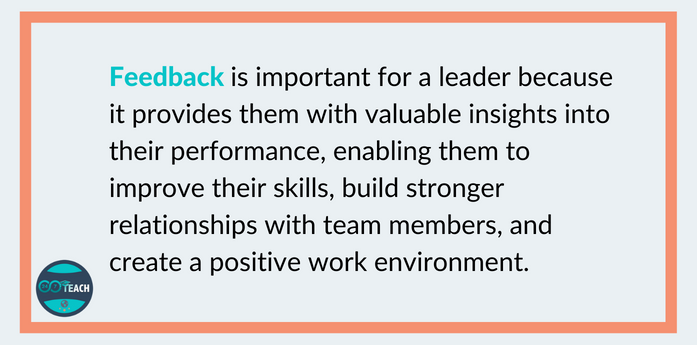
Feedback also plays a critical role in building stronger relationships between leaders and their team members. By actively seeking feedback from team members and listening to their suggestions, leaders demonstrate their openness to constructive criticism and their commitment to continuous improvement. This can create a culture of trust and openness, where team members feel comfortable providing feedback to their leader and to one another. This can lead to improved communication, better collaboration, and increased team morale.
In addition, feedback can be used to recognize and reinforce positive behaviors and accomplishments. By providing positive feedback to team members, leaders can motivate them to continue performing at a high level and help them to feel valued and appreciated. This can create a culture of positivity and support, which can further enhance team morale and engagement.
Closing Assessment
It’s time to work on your leadership plan. Please open up your leadership plan document, and answer questions 8-12.
Advance your understanding by participating in the 24/7 Discussion Forum:
1. Please answer the following question in the comment section below and interact with learners from around the world.
Think about a time you’ve had a leader who was not great at building relationships. Now think about a time you had a leader who was great at building relationships. Describe two differences between the two experiences.
2. Please read and reply to other learners’ answers in the forum. Provide feedback, thoughts, or questions. Your replies should offer new substantiated ideas or provoke thoughtful discussion.
Course created by Samantha Nally and Rob Grillot