
Directions: Please watch the video. As you go through the module, complete all activities.
PREASSESSMENT
Directions: Listen to the following feedback example. Do you think it is effective or ineffective? At the end of the module, you will discuss this with your peers.
By The End Of This Module, You Will:
Name the four elements of effective feedback.
Recognize examples of effective and ineffective feedback.
Create useful feedback that is actionable.
Examine the benefits of giving and receiving feedback.
Evaluate your strengths and weaknesses.
7.1 Creating Quality Feedback
Many people associate the word feedback with negativity. They think that critiquing others, or having their own work critiqued, creates bad feelings for both the giver and receiver. Yet feedback provides an honest assessment of skills and areas of potential improvement and growth. With this in mind, let’s approach feedback the 24/7 Teach way.
4 Elements of Effective Feedback
-
To ensure fairness and accuracy, feedback needs to be rooted in objective observations. Feedback should provide factual, observable evidence rather than opinions or judgements.
-
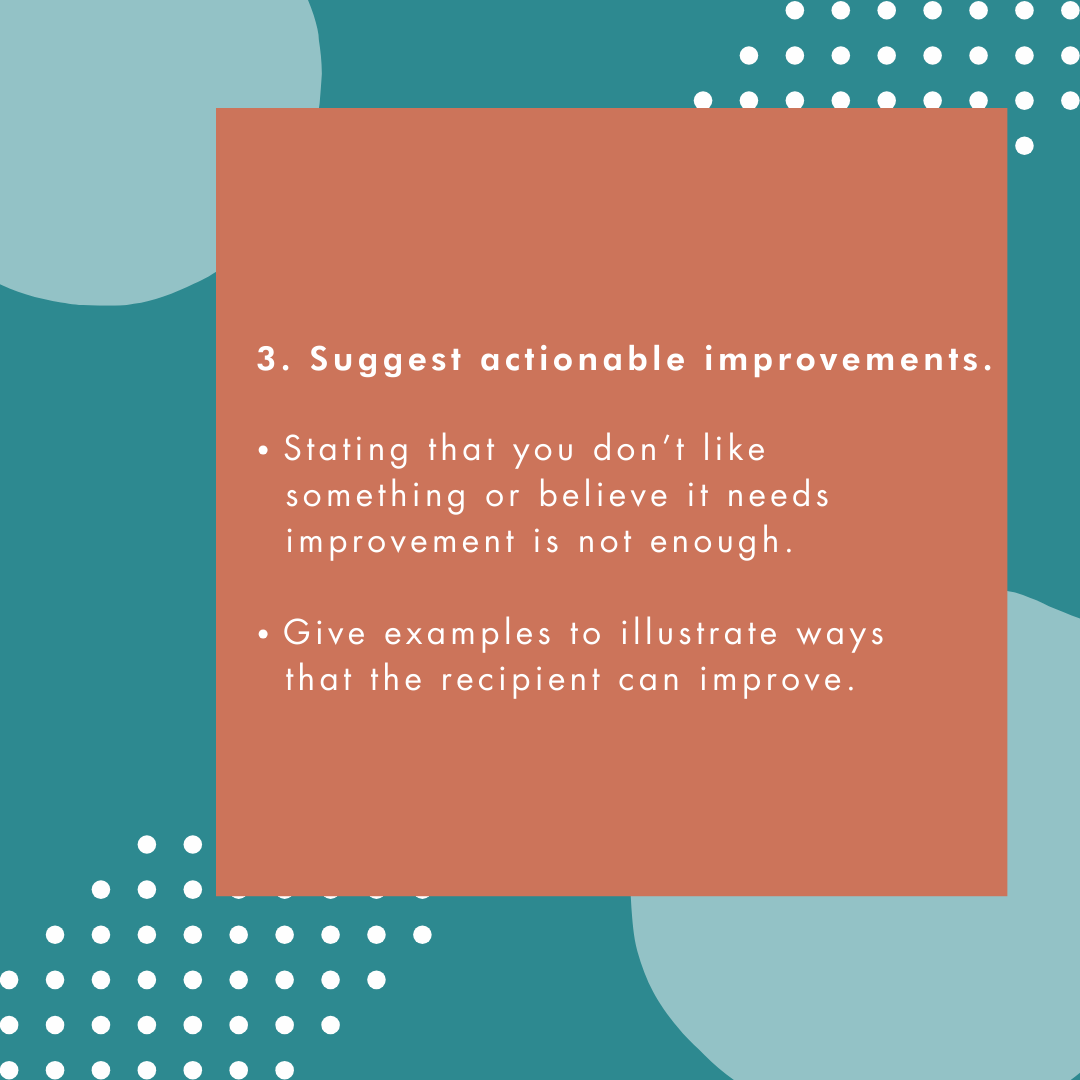
Feedback promotes growth and development, suggesting actionable steps that improve performance. (Note: We will define actionable feedback in 7.3.)
-
Effective feedback is clear and focused, guiding learners to understand what to change or how to change it.
-
Providing immediate feedback helps learners to quickly understand how to improve, maximizing its relevance and impact.
Making Feedback Actionable
To be useful, feedback should be actionable. This means that the giver provides actions the receiver can do to improve their project.
Actionable Feedback Elements
-
The feedback giver begins by acknowledging a positive aspect—here, that the content is well-organized and informative.
Ineffective Examples
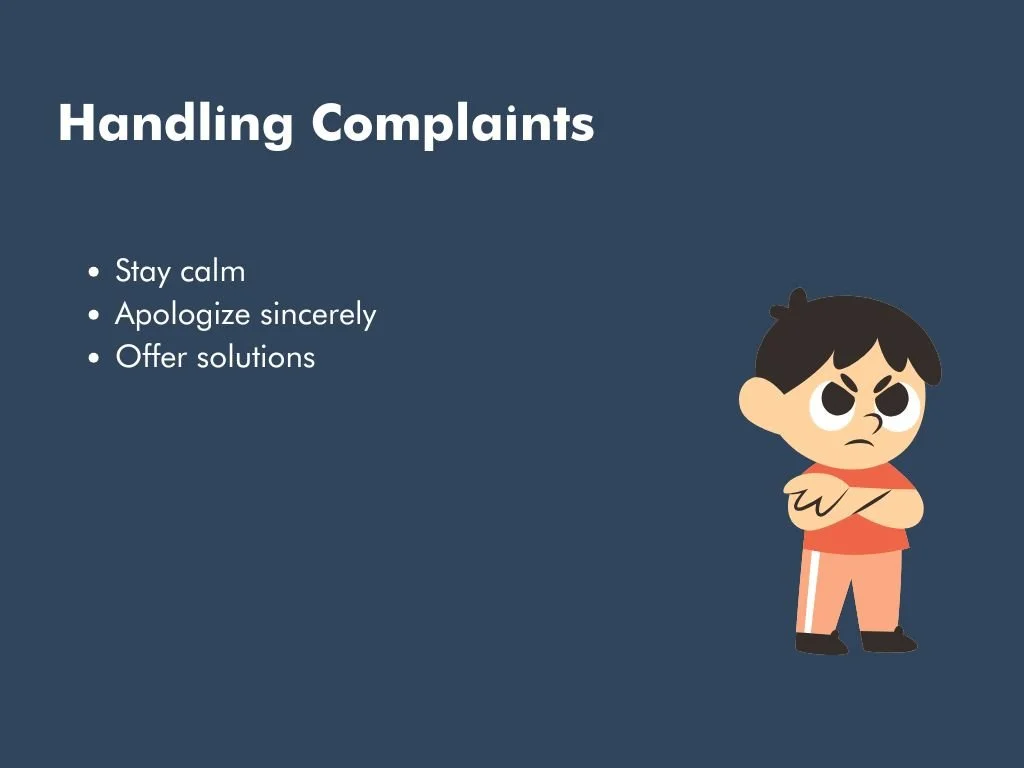
There were errors on your slides.
The lesson plan section was not very engaging.
Effective Examples
Your presentation slides have numerous spelling errors. The word build is misspelled, as well as the word constructive on the title page.
Your visual design was excellent. All elements were balanced and you had good text to background contrast.
-
The feedback giver focuses on two critical areas for improvement: quiz questions and interactivity. This gives the designer clear guidance on where they can make changes.
Poor Examples
Make the lesson plans more organized.
Write better.
Good Examples
Ensure that step-by-step instructions are clear and comprehensive.
Include more real-world examples to illustrate how these principles are used.
-
The feedback giver provides actionable areas to improve, suggesting that the designer add quiz-question examples and interactive elements (such as drag-and-drop and scenario-based questions). This feedback gives the designer tangible items to improve.
Poor Examples
Maybe add more examples or something.
Fix the mistakes.
Good Examples
Rewrite your presentation using active voice for clarity.
Create discussion prompts that encourage learners to reflect on how they can apply these outcomes in their own contexts.
-
The feedback giver explains why these changes are beneficial, such as increasing learner engagement and making the content visually appealing. This helps the designer understand the rationale behind the suggestions and the positive impact it will have on learners.
Poor Examples:
You need to make sure you spell words correctly.
Use active voice instead of passive voice.
Good Examples:
Correct spelling enhances professionalism and credibility.
Active voice makes your writing more engaging and direct.
-
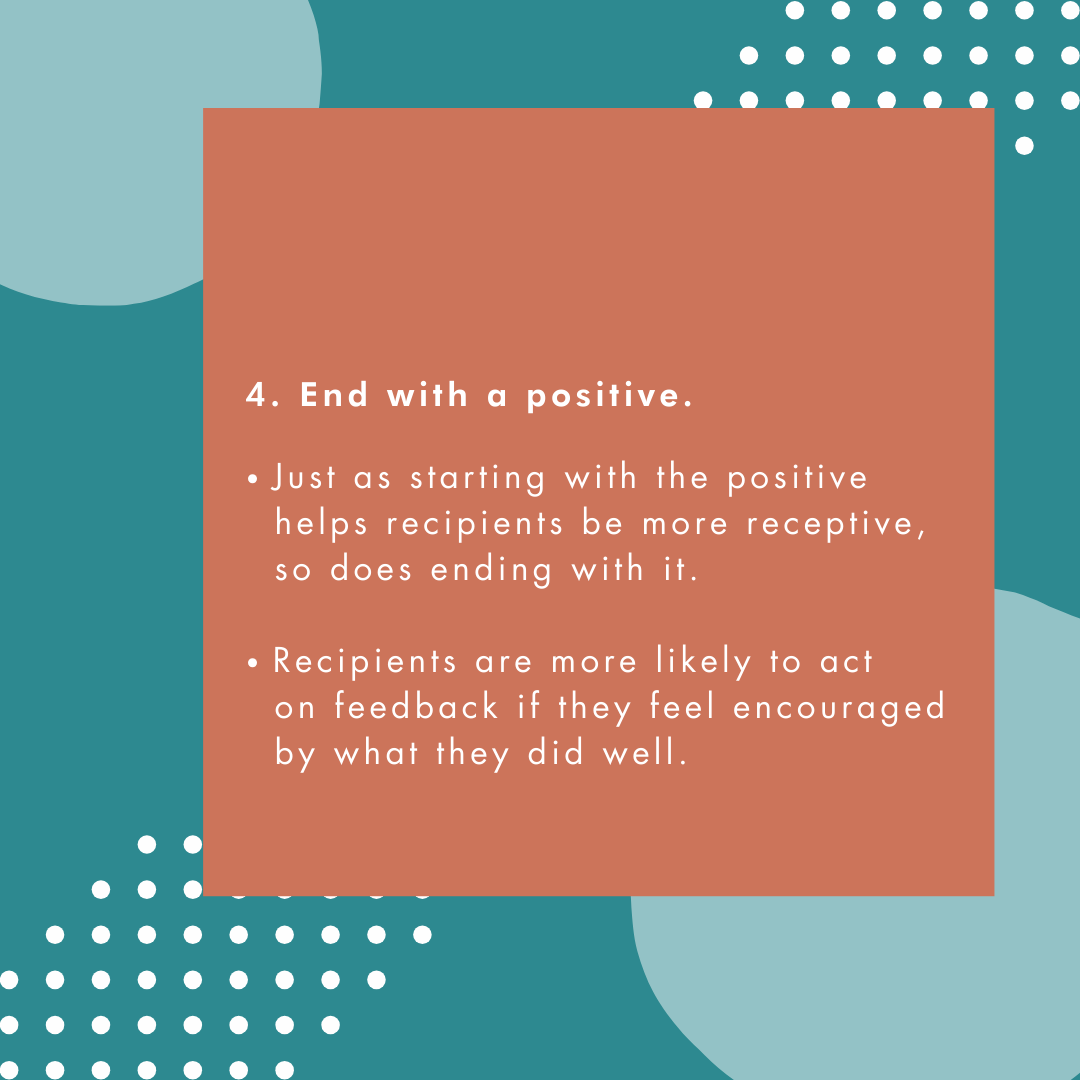
The feedback giver ends with positive reinforcement, acknowledging the designer's efforts and expressing confidence that making the suggested improvements will result in a better product. Note: the more explicit you are, the more actionable your feedback will be.
Poor Examples:
You were consistent in your project, great job!
Nice graphics
Good Examples:
Great job on maintaining consistent formatting in your presentation.
Your use of visuals in the presentation helped me understand the concepts.
KNOWLEDGE CHECK
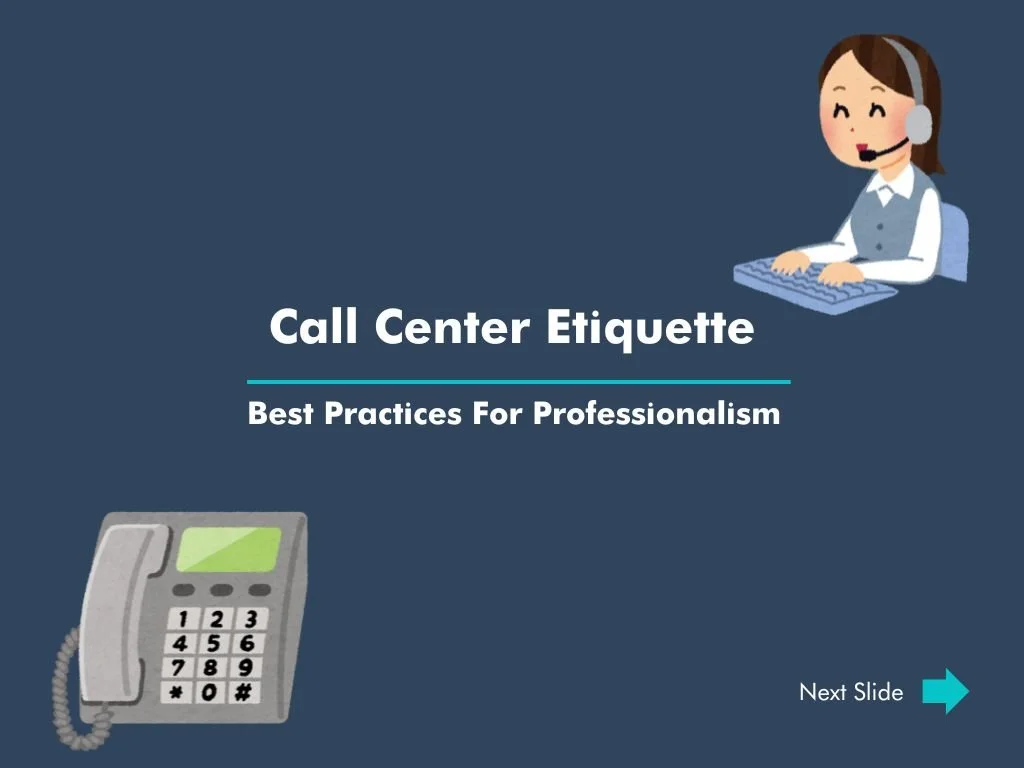
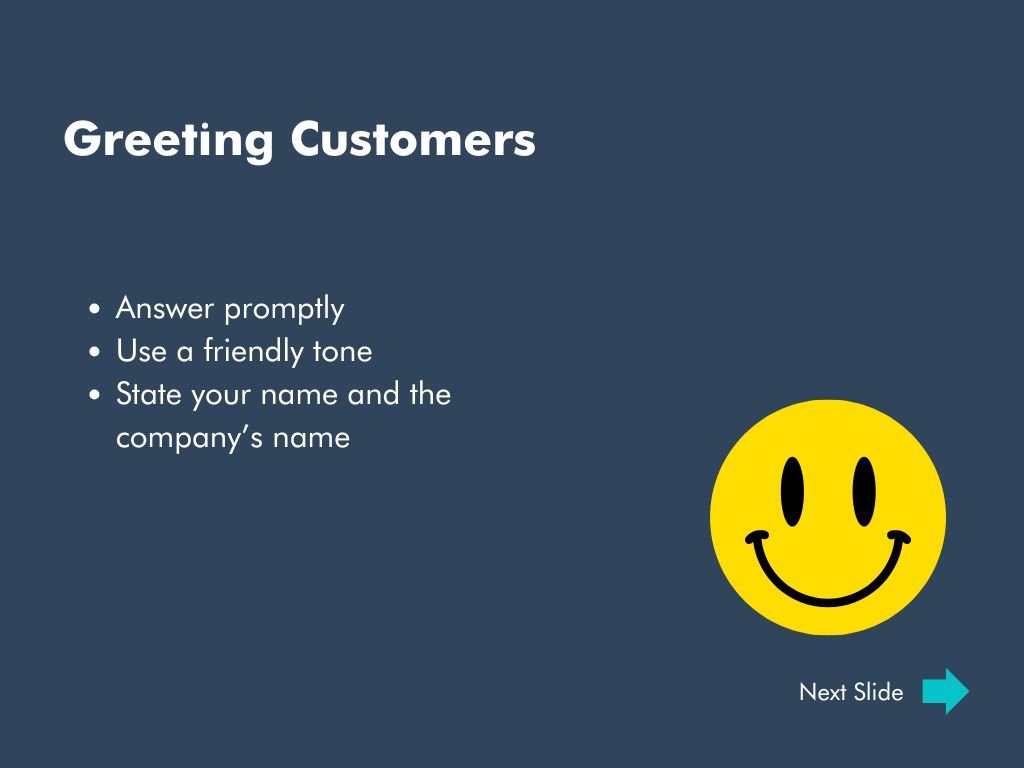
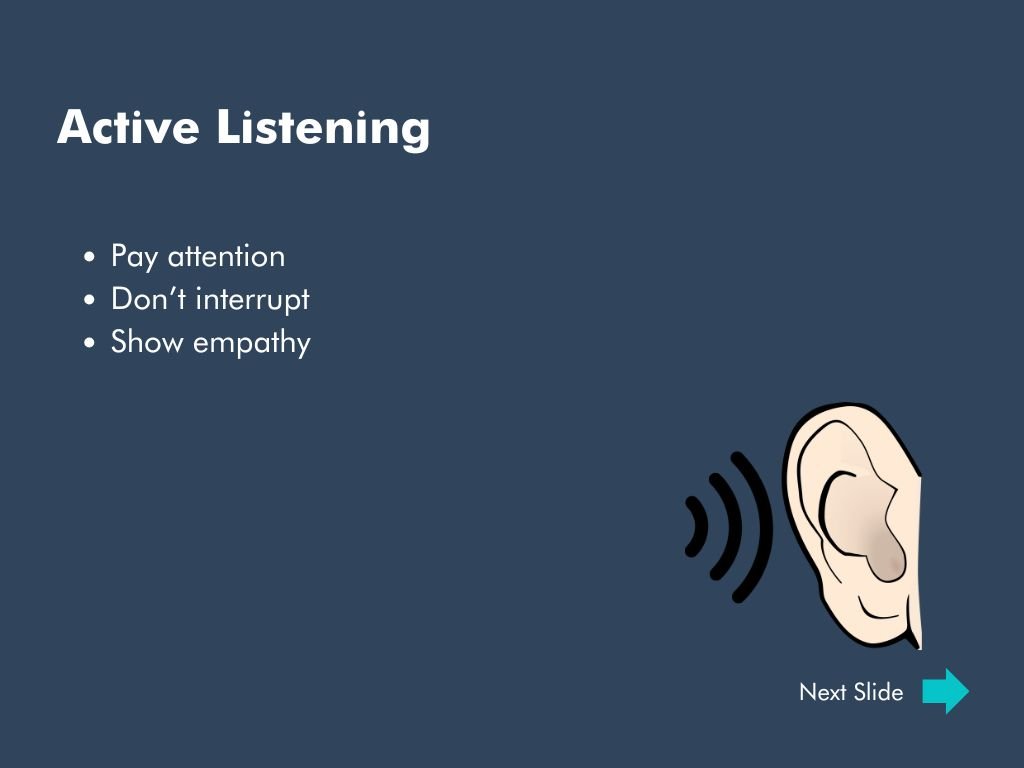
Directions: Click below to view a sample presentation, then complete the form to submit your feedback.
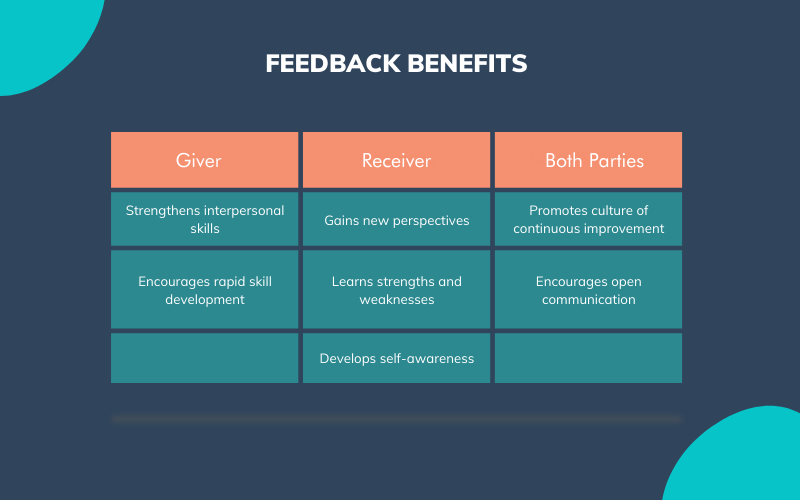
7.2 Benefits of Giving and Receiving Feedback
PAUSE & REFLECT

Review the benefits of feedback described in this lesson. Which do you feel is the most important, and why?
Fill out your answers in the form below.
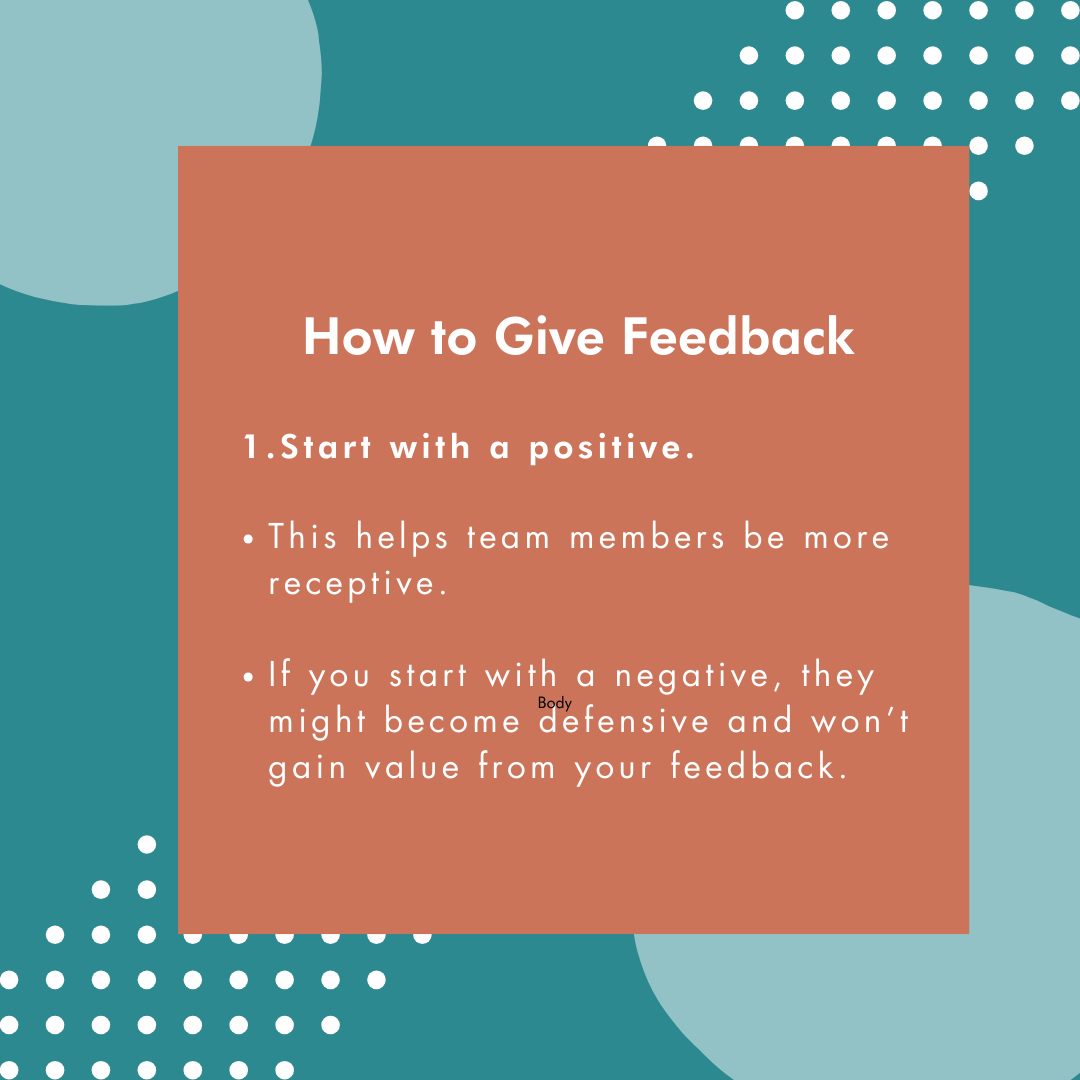
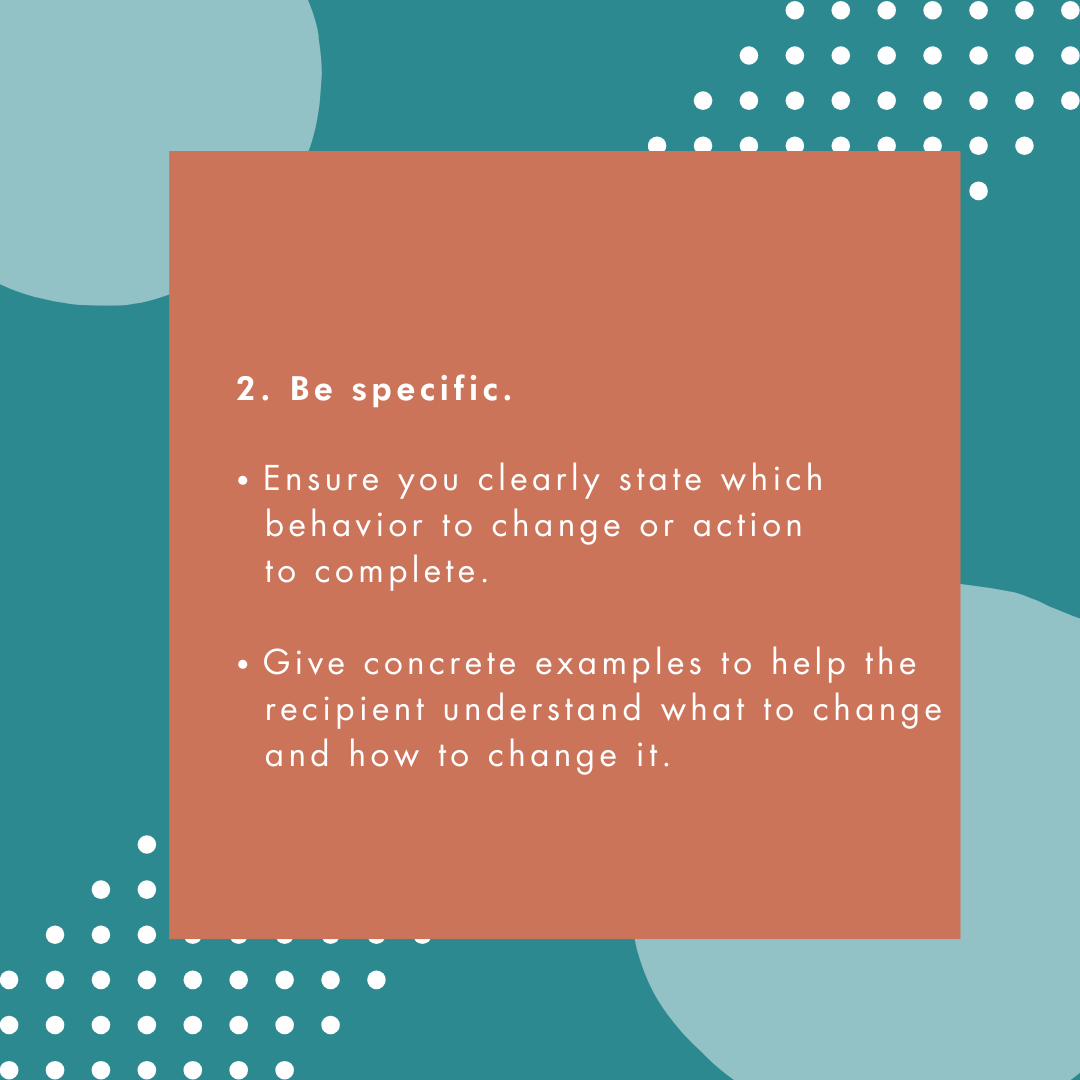
7.3 How to Give and Receive Feedback Effectively
Directions: Click through the carousel below to learn all about effective feedback.
7.4 Self-Evaluation: Set the Stage for Future Feedback
Since you have just joined 24/7 Teach, it’s a great time to evaluate your strengths and weaknesses. This will help you to set personal and professional goals that align with the company's expectations.
Directions:
Step 1: Click here to register for the 24/7 Teach app.
Step 2: To complete your self-evaluation, click here.
Step 3: Fill in the form below after completing the evaluation.
Course Menu
MODULE WRAP-UP
Directions: Listen again to the audio clip in the preassessment. Then answer the following questions.
From what you’ve learned in this module, is this feedback effective or ineffective?
If it is effective, which elements make it so? If it is ineffective, how could it be improved?