
Workshop Scenario:
Please think of yourself in the following scenario as you complete this workshop.
You are a teenager who constantly struggles with expressing yourself, managing your time, and forming meaningful connections. You often find it challenging to convey your thoughts and ideas, leading to frustration and a lack of confidence. Balancing schoolwork, responsibilities, and social interactions feels overwhelming, leaving you yearning for guidance and support.
That's precisely why you made the decision to enroll in 24/7 Teach's Communications and Organization Workshop. You recognized that it's time to tackle these challenges head-on and develop the essential skills to overcome them. By immersing yourself in this workshop, you're taking a proactive step towards personal growth, improved communication, and increased confidence in navigating your daily life.
In the previous lesson, you got acquainted with the basics of communications. You knew that there are three forms of communication namely verbal, non-verbal, and written.
In this lesson, we will dive deeper into one of these forms: verbal communication. It's all about words – what we say, how we say it, and when we say it. Let's dive right in, shall we?
Your objective for today is:
Demonstrate effective verbal communication skills by speaking with clarity, using respectful language, actively listening, adjusting volume appropriately, and utilizing tone and inflection effectively.
Important questions to consider while reading:
In order to be successful in this lesson, you must be able to answer these important question.
Which do you think is more important: what you say or how you say it? Why do you think so?
Lesson 2: Verbal Communication
Last time, we started our amazing journey into the world of communication. Today, we're going to delve a bit deeper into one part of that superpower: verbal communication. It's all about words – what we say, how we say it, and when we say it. Let's dive right in, shall we?
2.1 Verbal Communication – More Than Just Words
Let's imagine you're at a local soccer match, and your best friend scores the winning goal. You jump up, pumping your fists in the air, and yell, "YESSS! That was AWESOME!" Now, let's replay that scene. This time, you say the exact same words, but in a bored, monotonous voice, "Yes. That was awesome." It doesn't quite have the same effect, does it? This is the power of verbal communication - it's not just about the words you say, but how you say them.
2.2 Verbal Communication Tools
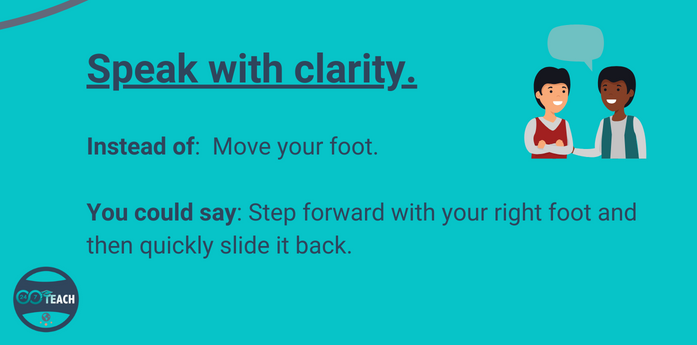
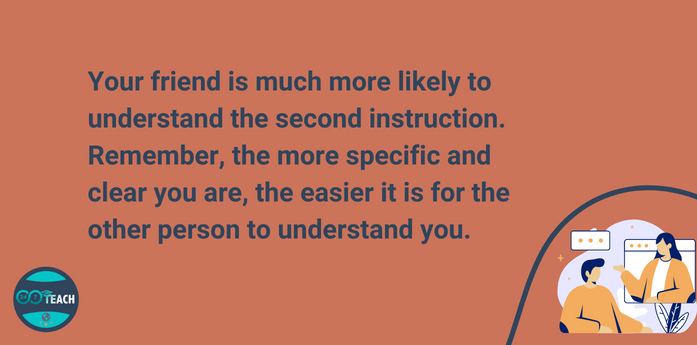
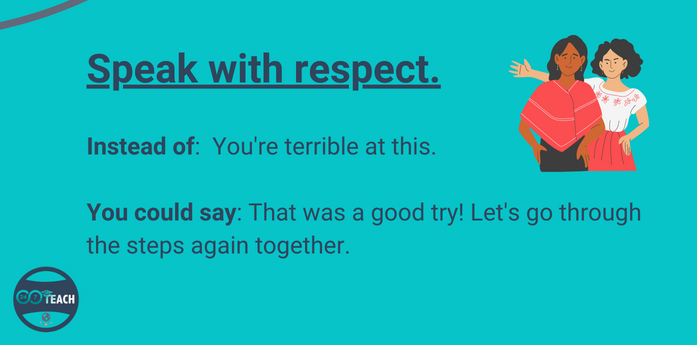
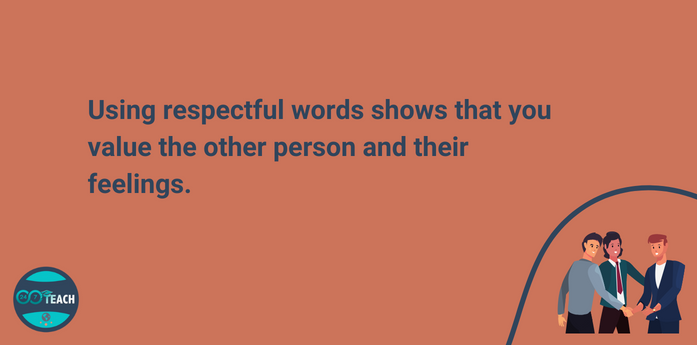
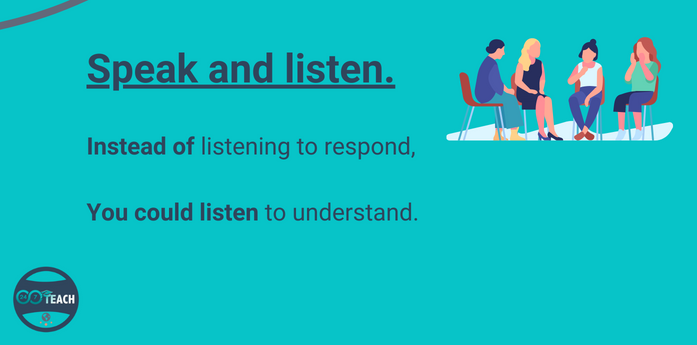
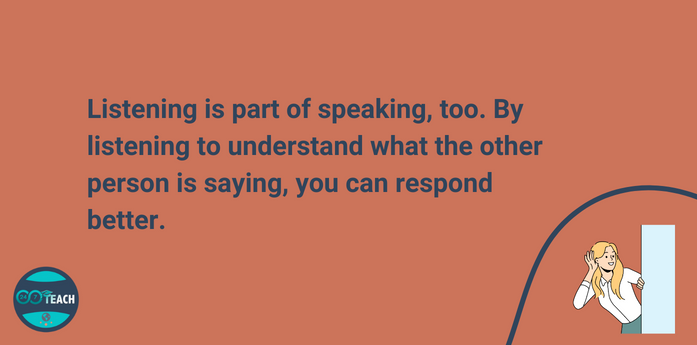
Scroll through the images to explore the different verbal communication tools.
2.3 Volume Control – More Than Just Loud and Quiet
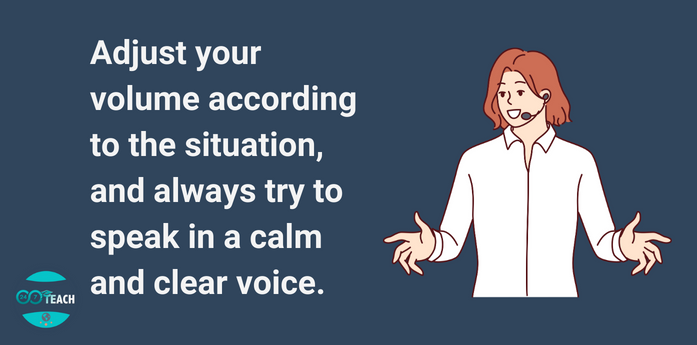
Now, let's talk about volume. If you're whispering a secret to your friend, you don't want to shout, right? But if you're trying to get the attention of a group of friends in a noisy playground, you'll need to speak up.
Just remember: the goal is to be heard, not to hurt anyone's ears. And keep in mind that shouting can sometimes come across as aggressive, even if you don't mean it that way. So, adjust your volume according to the situation, and always try to speak in a calm and clear voice.
Let’s practice!
Alright, it's time to put our new skills into action! Here's a fun activity you can try with your friends or family members. Start a storytelling chain game. One person starts a story, and each person adds a sentence or two. But here's the twist: you need to change your tone, volume, and expression as the story gets more exciting, scary, or funny. You'll see how your voice can bring a story to life!
For example, if the story is about a sneaky cat trying to steal a piece of cheese from the kitchen without waking up the dog, you might whisper your part of the story to create a sense of suspense. Or if the story turns into a hilarious chase scene, you might say your part in a quick, excited voice. Play around with your tone and volume, and see how it changes the story!
In conclusion:
So there you have it, superstar communicators! Verbal communication is like a superpower. It can help you share your ideas, express your feelings, and connect with others. And just like any superpower, it takes practice to master. So, don't be shy. Speak up, speak out, and let your voice be heard!
For the next lesson, try to notice how you and others use verbal communication. Do you speak clearly? Do you use respectful words? How well do you listen when others are speaking? And what about your volume - do you adjust it depending on the situation? Make a note of your observations, and we'll talk about them in our next lesson.
Remember, communication is an adventure. It's a journey of discovery, understanding, and growth. So keep exploring, keep sharing, and keep shining, superstar communicators!
Until next time, stay awesome and keep the communication flowing!
Closing Assessment:
Discuss your answers to the following questions through a form of video. The video must not exceed 3 minutes. Click on the button below to submit the Google Drive link to your video.
What does it mean to speak with clarity in communication? Provide an example to illustrate your answer.
How does the volume of our voice affect communication? Provide an example where adjusting your volume would be necessary.
Explain how tone and inflection can change the meaning of a sentence. Provide an example using the sentence, "That's a great idea."
Discussion Questions:
1. Please answer the following question in the comment section below and interact with learners from around the world.
Can you think of a time when the way you said something changed the meaning of your words? How did the other person react? How could you have improved the way you delivered your message?
Why is it important to use respectful language, even when we are upset or frustrated? Can you share an example of a time when you could have communicated more respectfully?
Listening is a key part of communication. How does listening to others make you a better communicator? Can you share a situation where you listened carefully, and it helped improve the conversation?
2. Please read and reply to other learners’ answers in the forum. Your replies should offer new substantiated ideas or thoughtful questions.