
Workshop Scenario:
You are a teenager who constantly struggles with expressing yourself, managing your time, and forming meaningful connections. You often find it challenging to convey your thoughts and ideas, leading to frustration and a lack of confidence. Balancing schoolwork, responsibilities, and social interactions feels overwhelming, leaving you yearning for guidance and support.
That's precisely why you made the decision to enroll in 24/7 Teach's Communications and Organization Workshop. You recognized that it's time to tackle these challenges head-on and develop the essential skills to overcome them. By immersing yourself in this workshop, you're taking a proactive step towards personal growth, improved communication, and increased confidence in navigating your daily life.
In the previous lesson, you learned how important the role of non-verbal forms of communications in enriching our interactions with the people around us.
In this lesson, we will talk about writing and how it will influence you as a teen and your career in the future.
Your objective for today is:
Write a sample professional email applying email etiquette and integrating strategies for clear and concise writing.
Important Questions to Consider While Reading:
In order to be successful in this lesson, you must be able to answer these important questions.
In what ways has the prevalence of digital communication impacted the clarity and effectiveness of our written messages?
How can practicing email etiquette and employing clear and concise writing skills positively influence our communication with teachers, friends, and potential employers in the digital age?
Lesson 4 - The Write Way: Sharpening Your Written Communication Skills
Hey there, 24/7 Communicators!
Last time we ventured into the intriguing world of non-verbal communication. This time, we're switching gears and going back to words - but not the spoken ones, the written ones!
In this digital age, much of our communication happens through writing. Whether it's texting your best friend, emailing your teacher, or posting on social media, your written words play a huge role in how you express yourself and interact with others.
4.1 Email Etiquette: More Than Just "Hey" and "Bye"
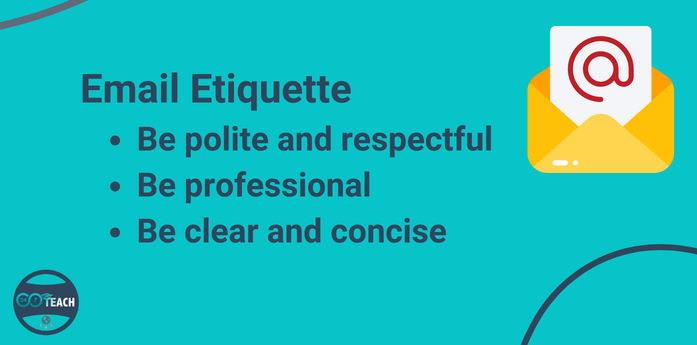
Emails are a big part of our lives. They're how we reach out to teachers, communicate with clubs, and even apply for jobs in the future. But there's more to emails than just saying "hello" and "goodbye". There's a certain etiquette to follow. Here are a few quick tips:
Be polite and respectful: Even if you're writing to a friend, it's important to keep your emails polite. And if you're writing to someone you don't know well, it's even more crucial!
Stay professional: That means no text-speak (like "u" instead of "you"), and definitely no emojis! Save those for your text messages.
Keep it clear and concise: Get straight to the point and make sure your message is easy to understand.
Tips for Clear and Concise Writing
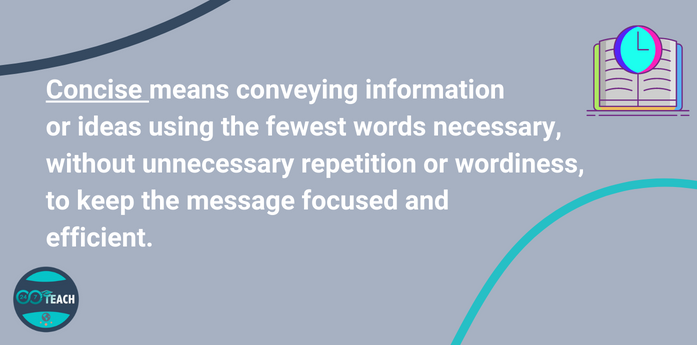
Be direct: Don't beat around the bush. Say what you need to say!
Keep it simple: Big words and complex sentences can make your message confusing. Stick to simple words and short sentences.
Proofread: Always, always, always check your writing for mistakes before you hit send!
Get Writing: A little practice goes a long way
Let’s Practice!
Imagine you're sitting at your desk, ready to unleash your inner writing wizard! In this exercise, you'll have the chance to craft an email that'll have your friends or teachers nodding in awe.
First things first, decide who your recipient will be – a close friend or one of your awesome teachers. Once you've made your choice, think of a snappy subject line that grabs attention like a boss!
Show your friend some love by asking how they're doing and sharing the latest exciting news from your life. If you're writing to your teacher, let your enthusiasm shine through for the upcoming class or subject. Don't forget to thank them for their support and guidance, and throw in a question or two to show you're genuinely interested in learning more.
When you dive into the body of the email, remember to keep things concise and straightforward. No need for lengthy essays here – short and sweet is the way to go. Always remember to keep it respectful and appropriate.
As you wrap up your message, end on a positive note with a closing like "Take care" or "Talk soon." Sign off with your name or use an appropriate signature that reflects your personality.
Before you hit that send button, give your masterpiece a quick proofread. We want your message to be crystal clear and error-free.
So, there you have it – your epic email-writing practice is all set! Now go ahead and put those words into action. Happy writing!
Closing Assessment:
Select the Assessment button below to answer the following questions:
List three important email etiquette rules and explain why they're important.
Write a short email to your teacher asking for help with homework. Remember to apply the tips for clear and concise writing!
How has digital communication affected your interactions with your friends and teachers? Give specific examples.
Discussion Question:
1. Please answer the following questions in the comment section below and interact with learners from around the world.
How has digital communication changed the way we interact with each other? Share your thoughts!
Which of the writing tips do you find the most helpful and why?
2. Please read and reply to other learners’ answers in the forum. Your replies should offer new substantiated ideas or thoughtful questions.